Call us now: 613-276-6374

Vermiculite Insulation and Asbestos: What Homeowners Need to Know
Vermiculite Insulation and Asbestos is a topic that concerns many homeowners, especially those living in older homes. While vermiculite itself is a naturally occurring mineral, some vermiculite insulation products sold in North America were contaminated with asbestos during mining and processing.
5/29/20262 min read
Introduction
Vermiculite Insulation and Asbestos is a topic that concerns many homeowners, especially those living in older homes. While vermiculite itself is a naturally occurring mineral, some vermiculite insulation products sold in North America were contaminated with asbestos during mining and processing.
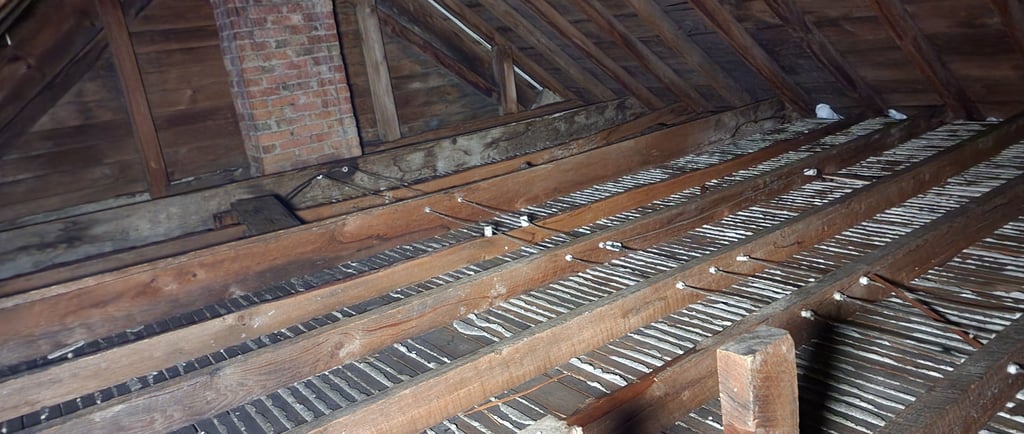
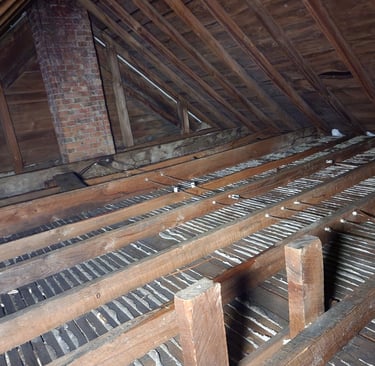
If your home was built before the 1990s and contains attic insulation that resembles small grayish-brown pebbles, it is important to understand the potential risks and the steps you should take to protect your family.
What Is Vermiculite Insulation?
Vermiculite is a lightweight mineral that expands when heated. Because of its fire-resistant and insulating properties, it was commonly used in residential attics and wall cavities.
Vermiculite insulation typically appears as:
Small pebble-like particles
Gray, silver, gold, or brown in color
Lightweight and loose-fill in nature
Commonly found in attics
Many Canadian homes built between the 1920s and 1990s may contain vermiculite insulation.
Why Is Vermiculite a Concern?
Not all vermiculite contains asbestos. However, a significant portion of vermiculite insulation installed in older homes originated from mines that were contaminated with asbestos fibers.
When disturbed during renovations, repairs, or inspections, asbestos fibers can become airborne and create a health hazard.
How to Identify Vermiculite Insulation
While only laboratory testing can confirm whether asbestos is present, homeowners should look for:
1. Loose-Fill Attic Insulation
Vermiculite is typically found as loose-fill insulation spread across attic floors.
2. Pebble-Like Appearance
The material often resembles lightweight granules or small accordion-shaped particles.
3. Older Home Construction
Homes constructed before the early 1990s are more likely to contain vermiculite insulation.
What Should You Do If You Find Vermiculite?
Do Not Disturb It
Avoid sweeping, vacuuming, moving, or handling the material yourself.
Limit Access
Restrict access to the affected attic or area until the material can be properly assessed.
Schedule Professional Testing
A qualified asbestos professional can collect samples safely and arrange laboratory analysis.
Consult an Abatement Specialist
If asbestos is confirmed, a professional removal plan can be developed to safely address the material.
Can You Renovate a Home with Vermiculite?
Before beginning any renovation project, it is essential to determine whether asbestos is present. Activities such as:
Installing new wiring
Adding attic ventilation
Replacing insulation
Converting attic space
Removing ceilings
can disturb asbestos-containing materials and create significant exposure risks.
Benefits of Professional Vermiculite Removal
Professional asbestos abatement contractors follow strict safety procedures to:
Prevent fiber release
Protect occupants and workers
Maintain regulatory compliance
Ensure proper disposal
Prepare the home for future renovations
Why Homeowners Choose Professional Testing First
Testing provides certainty. Rather than making assumptions, laboratory analysis can determine whether asbestos fibers are present and help homeowners make informed decisions regarding their property.
Conclusion
Vermiculite Insulation and Asbestos remain important concerns for homeowners with older properties. If you suspect vermiculite insulation is present in your attic, avoid disturbing the material and arrange for professional testing.
H&W Contracting Abatement provides asbestos testing, vermiculite assessments, and safe asbestos removal services to help homeowners protect their families and comply with safety regulations.