Call us now: 613-276-6374
Why Attic Mold Should Never Be Ignored
Learn what causes attic mold, the risks it poses to your home and health, and why professional attic mold remediation is the safest solution.
6/29/20262 min read
Why Attic Mold Should Never Be Ignored
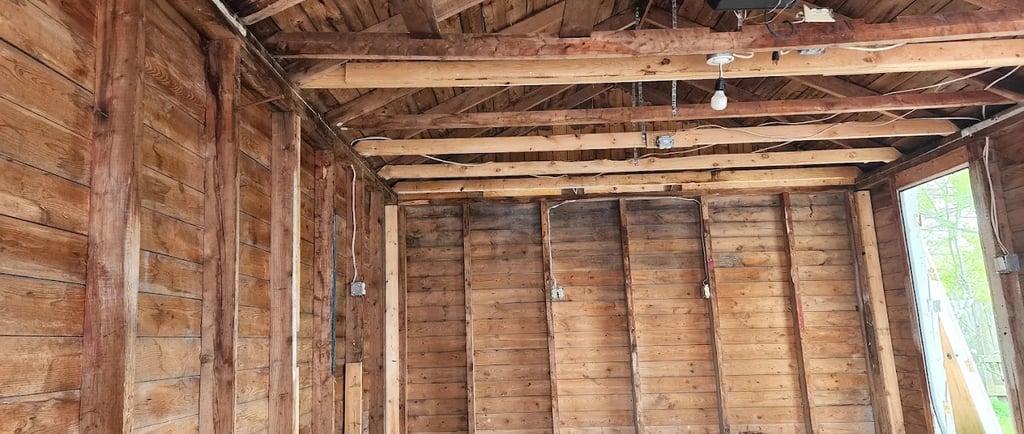
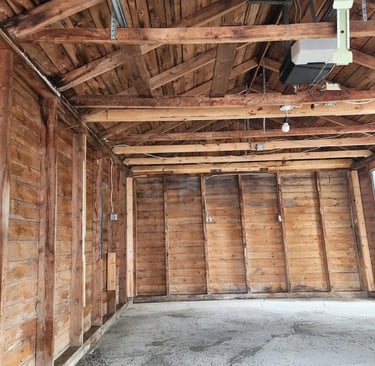
When homeowners think about mold, they often picture damp basements or bathrooms. However, one of the most common places mold develops is the attic. Because most people rarely enter their attic, mold can grow undetected for months—or even years—causing structural damage and affecting indoor air quality.
At H&W Contracting Abatement, we've helped homeowners restore attics that appeared perfectly normal from the outside but concealed widespread mold contamination beneath the roof decking. Early detection and professional remediation can save thousands of dollars in future repairs.
What Causes Attic Mold?
Attic mold is almost always a moisture problem. Mold spores are naturally present in the environment, but they only begin to colonize when moisture and organic material are available.
Common causes include:
Poor attic ventilation
Roof leaks
Ice damming during winter
Bathroom or kitchen exhaust fans venting into the attic
Air leaks from the living space below
High indoor humidity
Even a small amount of excess moisture over time can create ideal conditions for mold growth.
Signs Your Attic May Have Mold
Many homeowners don't discover attic mold until a home inspection or roof replacement. However, warning signs can include:
A persistent musty odor
Dark staining on roof sheathing
Discolored rafters or trusses
Damp insulation
Increased allergy symptoms indoors
Visible black, brown, or white fungal growth
If you notice any of these signs, scheduling a professional inspection is recommended.
Why Mold in the Attic Is a Serious Concern
Structural Damage
Mold feeds on wood and other organic building materials. Over time, this can weaken roof sheathing and structural framing, increasing repair costs if left untreated.
Indoor Air Quality
Although the attic is separated from living areas, air naturally moves throughout a home. Mold spores can migrate through gaps around light fixtures, attic hatches, ductwork, and other openings, contributing to poor indoor air quality.
Reduced Home Value
Visible mold often raises concerns during real estate transactions. Buyers and inspectors recognize mold as a potential indicator of moisture problems, which can delay or complicate a sale.
Why DIY Mold Removal Isn't Enough
Many homeowners attempt to clean mold using household bleach or store-bought cleaners. While these products may remove surface discoloration, they rarely eliminate the underlying contamination.
Professional remediation involves:
Identifying and correcting the moisture source
Establishing containment
HEPA vacuuming
Mechanical cleaning
Antimicrobial treatment
Proper disposal of contaminated materials
Applying protective coatings when appropriate
Without addressing the root cause, mold often returns.
The Professional Remediation Process
A professional attic mold remediation project typically includes:
Detailed inspection
Moisture assessment
Work area containment
Removal of contaminated materials
HEPA cleaning
Antimicrobial application
Protective encapsulation when required
Final inspection
Each step is designed to restore the attic safely while minimizing disruption to the rest of the home.
Preventing Future Mold Growth
After remediation, homeowners can reduce future risk by:
Improving attic ventilation
Repairing roof leaks promptly
Ensuring exhaust fans vent outdoors
Sealing attic air leaks
Maintaining proper insulation
Monitoring indoor humidity levels
Preventative maintenance is often far less expensive than major remediation.
Trust H&W Contracting Abatement
At H&W Contracting Abatement, we specialize in safe, effective attic mold remediation throughout Ontario. Our experienced team follows industry best practices to remove mold, protect your home, and help prevent future problems.
If you suspect mold in your attic, don't wait until the damage becomes more extensive. Contact us today to schedule a professional inspection.